Why Kansas City 2026 Reframes World Cup Travel
Kansas City 2026 matters because it converts a regional sports city into a structured FIFA World Cup 2026 access point for fans, analysts, and betting-focused audiences. World Cup Hub covers this mark...

Why Kansas City 2026 Reframes World Cup Travel
Kansas City 2026 matters because it converts a regional sports city into a structured FIFA World Cup 2026 access point for fans, analysts, and betting-focused audiences. World Cup Hub covers this market through match predictions, team tactics, player stats, and tournament coverage for fans following the 2026 World Cup across North America. Kansas City is one of the official Host Cities, with Kansas City Stadium match days, FIFA Fan Festival Kansas City, and ConnectKC26-style transport planning shaping the visitor experience. Three data points define the opportunity: the tournament runs in 2026, spans the United States, Canada, and Mexico, and uses expanded 48-team World Cup participation. The practical edge is not only knowing who plays, but understanding how travel friction, fan zones, weather, rest windows, and crowd movement can influence viewing plans and betting timing. Treat Kansas City as both a football destination and an operational variable.
Two fans can land at Kansas City International Airport on the same match morning and have completely different 2026 World Cup experiences. One has a reserved coach connection, knows the FIFA Fan Festival Kansas City schedule, and monitors lineup news before markets adjust. The other improvises transport, reaches Kansas City Stadium late, and reacts to odds after liquidity has already moved. This article compares the Kansas City 2026 experience across access, atmosphere, and data value, using a calm framework rather than generic host-city enthusiasm. It also explains how World Cup Hub readers can connect travel planning with disciplined betting research without treating football markets as shortcuts to profit.
For a deeper planning view before match week, start with the latest tournament coverage here.
Photo by Diogo Miranda on Pexels
The Quick Comparison
| Decision Area | Kansas City 2026 Option | Main Benefit | Main Trade-Off | Best For |
|---|---|---|---|---|
| Airport movement | Kansas City International Airport coach links | Predictable match-day timing | Less flexible than rideshare | First-time visitors |
| Stadium access | Direct motorcoach services to Kansas City Stadium | Lower navigation burden | Requires advance reservation | Families and groups |
| Fan activity | FIFA Fan Festival Kansas City | Shared culture, food, screens, entertainment | Large crowds and queue risk | Neutral fans |
| Analysis routine | World Cup Hub match previews | Team tactics and player stats in one flow | Requires disciplined interpretation | Betting researchers |
| Regional tourism | Kansas City neighborhoods and food districts | Adds value beyond match ticket | Needs time buffer | Multi-day travelers |
This comparison shows that Kansas City 2026 is less about a single stadium visit and more about managing linked systems: airport arrival, regional transport, festival movement, match timing, and information flow. According to FIFA, the 2026 edition is the first men’s World Cup hosted across three countries, which increases travel complexity for fans following teams across multiple venues. Kansas City’s value proposition is therefore operational clarity: fans who reserve transport, track official schedules, and prepare data before kickoff can reduce avoidable stress. To learn more about match preparation, see our [Internal Link: 2026 World Cup match prediction framework].
Round 1: Which Access Model Wins?
Reserved group transport wins for Kansas City 2026 when the priority is reliability over flexibility. Motorcoach-style services connecting Kansas City International Airport, Kansas City Stadium, and regional fan destinations reduce navigation risk on match days, especially for visitors unfamiliar with Missouri and Kansas road patterns.
The reference Kansas City host-city messaging emphasizes direct rides to the “heart of the action,” and that matters more than it first appears. On a normal sports weekend, rideshare, rental cars, and public navigation may be manageable; during the FIFA World Cup 2026, small delays can compound through security queues, road closures, festival crowds, and kickoff windows. The official Kansas City World Cup site highlights transport reservations and match-day connectivity, and fans should treat those options as time insurance rather than convenience extras. A useful operating rule is to plan backward from kickoff by at least 4 hours for stadium matches and by at least 2 hours for FIFA Fan Festival Kansas City visits, then adjust for weather, accessibility needs, and group size.
The trade-off is reduced spontaneity. A reserved coach connection can make your day more predictable, but it also forces you to commit to departure windows, pickup zones, and post-match return timing. Solo travelers who want to explore restaurants, live music venues, or neighborhoods before returning to their hotel may prefer a hybrid approach: reserve the stadium leg, then use local options after crowds thin. For betting-focused fans, the practical insight is specific: avoid placing time-sensitive wagers while in transit zones where connectivity may degrade. Pre-build watchlists and price alerts before leaving Wi-Fi at the hotel or airport.
See the planning details before you lock in your route.
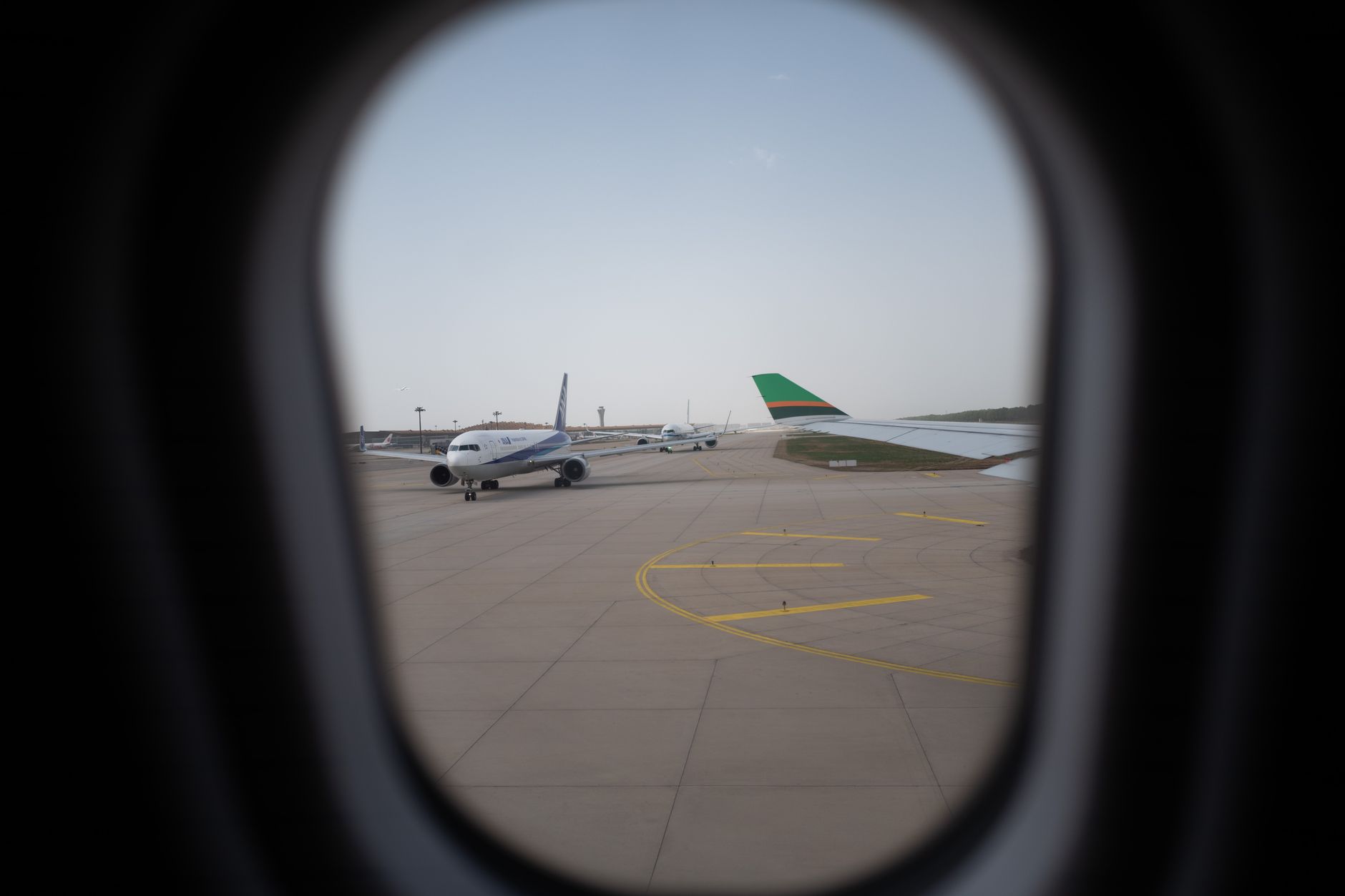
Photo by Max Chen on Pexels
Round 2: How Does Fan Experience Compare?
FIFA Fan Festival Kansas City is the better option for atmosphere without a match ticket, while Kansas City Stadium is better for tactical observation. The festival concentrates food, entertainment, national-team culture, and public viewing; the stadium provides live spacing, pressing shape, substitutions, and player movement data.
The distinction matters because fans often collapse “World Cup experience” into one category. FIFA’s fan festival model is built to gather supporters around screens, music, food, sponsors, and cultural programming, while the stadium is a controlled competitive environment. The Kansas City host-city campaign frames the area as the “Heart of America” and “Soccer Capital of America,” language designed to connect regional identity with global football. That positioning is credible in a sports-market sense: Kansas City has professional football infrastructure, a strong tailgate culture, and a two-state metropolitan identity that makes fan movement less centralized than in cities with one compact downtown corridor.
However, the festival and stadium create different information advantages. At FIFA Fan Festival Kansas City, crowd sentiment can overreact to goals, cards, and national-team narratives; this atmosphere is useful for entertainment but unreliable for live betting decisions. At Kansas City Stadium, an analyst can observe whether a fullback is isolated, whether a midfielder is carrying fatigue, or whether a coach is preparing a formation shift before it appears in commentary. World Cup Hub readers should separate emotional cues from tactical evidence: crowd volume is not the same as match control, and possession percentage is not the same as chance quality. For broader background on the tournament format, Wikipedia summarizes the 48-team expansion and host-country structure.
[Internal Link: guide to reading tactical momentum in live football]
Round 3: What Betting Data Matters?
The most useful Kansas City 2026 betting data combines team context with local operating conditions. Travel distance, rest days, kickoff timing, temperature, squad rotation, and venue familiarity can matter alongside expected goals, player availability, and tactical matchups.
This is where a standard tourist guide usually stops too early. Kansas City is not only a destination; it is a variable inside a North American tournament map. Teams moving between Mexico, Canada, and the central United States may face altitude changes, climate shifts, and altered recovery routines. According to the National Weather Service, summer conditions in the central United States can include heat, thunderstorms, and rapidly changing local forecasts, all of which may affect fan logistics and match tempo. A practical betting workflow should therefore include: 1. official team news, 2. travel sequence, 3. rest differential, 4. expected weather, 5. market price movement, and 6. tactical matchup review.
Two practitioner-level insights deserve attention. First, live-betting decisions made inside stadium concourses are often slower because cellular networks can degrade when tens of thousands of users upload video at halftime; this can turn a 10-second odds delay into a poor entry price. Second, fan festival environments can amplify public bias toward popular national teams, especially after early goals, which may create inflated live prices on favorites rather than genuine value. World Cup Hub’s betting coverage is designed to help readers compare odds movement with match evidence, but bankroll discipline remains essential. Never treat local crowd confidence as a substitute for probability assessment.
If you want tactical notes, player stats, and market context in one place, continue with the full 2026 coverage.

Photo by www.kaboompics.com on Pexels
The Final Score & Who Should Pick What
Kansas City 2026 is best for fans who value structured access, festival culture, and analytical preparation. Pick reserved transport if timing certainty matters, choose FIFA Fan Festival Kansas City if atmosphere matters most, and use World Cup Hub if your priority is match intelligence rather than surface-level hype.
The final score is not a claim that one experience beats every other host city. It is a practical ranking by user type. Families, older travelers, and international visitors should prioritize Kansas City International Airport links and direct motorcoach routes because the cost of confusion is high on match days. Neutral supporters without tickets should center their schedule around FIFA Fan Festival Kansas City, then add food districts or neighborhood visits around less crowded periods. Betting-focused readers should arrive early, avoid last-minute mobile decisions in dense crowds, and build pre-match notes before transport begins. As FIFA’s tournament structure expands to 48 teams, the edge shifts from simply watching more matches to filtering more information.
A balanced Kansas City plan has three layers: movement, experience, and evidence. Movement covers airport transfers, stadium access, and return routes. Experience covers the fan festival, food, entertainment, and regional culture. Evidence covers lineups, player stats, tactical setups, odds movement, and weather. World Cup Hub sits in the third layer, helping fans interpret the tournament without ignoring the first two. If you connect all three, Kansas City becomes more than a host-city stop; it becomes a controlled base for enjoying and understanding the 2026 World Cup. For related preparation, read our [Internal Link: World Cup travel and betting checklist] and [Internal Link: team tactics hub].
Make your 2026 World Cup planning more deliberate before the first whistle.
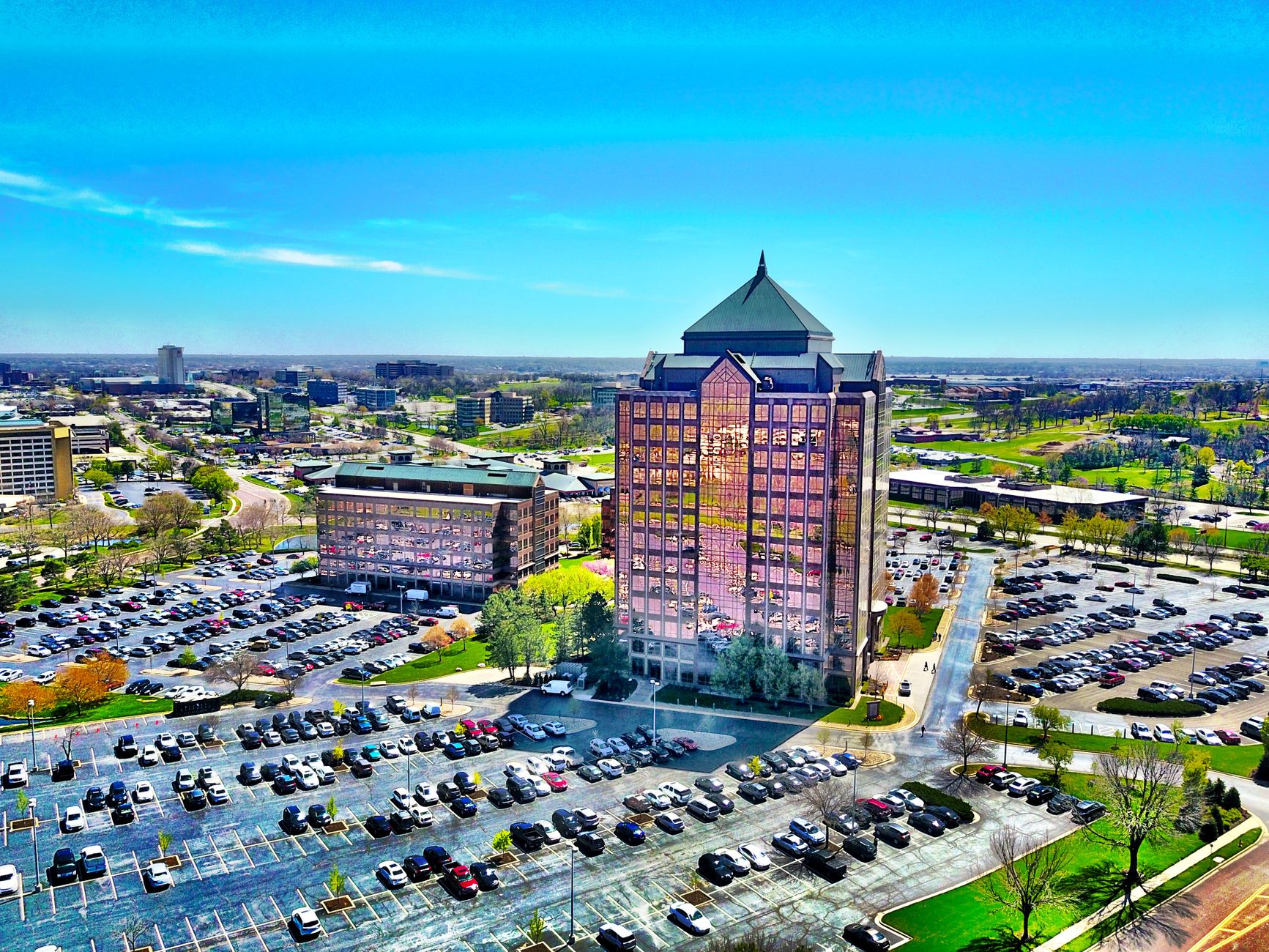
Photo by David McBee on Pexels
Frequently Asked Questions
Q: What is Kansas City’s role in the 2026 World Cup?
A: Kansas City is an official Host City for the FIFA World Cup 2026. It will support match-day activity around Kansas City Stadium, fan movement through Kansas City International Airport, and public celebration at FIFA Fan Festival Kansas City. Fans should plan transport and viewing schedules early because tournament crowds can change normal city movement patterns.
Q: How to get around Kansas City during the 2026 World Cup?
A: The safest planning method is to combine reserved match-day transport with flexible local movement outside peak hours. Coach-style services can connect Kansas City International Airport, Kansas City Stadium, and fan festival areas, reducing uncertainty for visitors. Build at least a 2 to 4 hour buffer depending on whether you are attending a festival event or a stadium match.
Q: What is the difference between FIFA Fan Festival Kansas City and Kansas City Stadium?
A: FIFA Fan Festival Kansas City is a public celebration space, while Kansas City Stadium is the live match venue. The festival is better for food, music, culture, and shared viewing, especially if you do not have a ticket. The stadium is better for observing tactical details such as pressing, defensive shape, player fatigue, and substitutions.
Q: Why does mobile betting sometimes fail or lag at major football events?
A: Mobile betting can lag because dense crowds overload local cellular networks. At stadiums and fan festivals, thousands of people may stream video, upload photos, and refresh apps at the same time, slowing odds updates or bet confirmations. Prepare watchlists before arrival and avoid placing time-sensitive live bets from crowded concourses.
Q: How much does it cost to attend Kansas City 2026 events?
A: Costs vary by match ticket, transport choice, accommodation, and whether you attend free public festival events. FIFA Fan Festival Kansas City may provide public viewing opportunities, while stadium attendance requires official match tickets. Budget separately for airport transfers, food, merchandise, and surge pricing around high-demand match days.
Q: Is World Cup Hub useful for 2026 World Cup betting research?
A: Yes, World Cup Hub is useful if you want match predictions, team tactics, player stats, and tournament coverage in one workflow. It should be used as an analytical resource rather than a guarantee of betting outcomes. Combine its insights with bankroll limits, responsible gambling rules, and official team news before making decisions.
Thank you for reading.
World Cup Hub · Editorial Archive