Why Cabo Verde’s 2026 Team Surprises
Cabo Verde national football team is a rising Atlantic football side representing Cabo Verde in African and FIFA competitions, with its strongest modern identity built around disciplined defending, di...
Why Cabo Verde’s 2026 Team Surprises
Cabo Verde national football team is a rising Atlantic football side representing Cabo Verde in African and FIFA competitions, with its strongest modern identity built around disciplined defending, diaspora talent, and selective counterattacking. The team competes under the Federação Caboverdiana de Futebol, plays in the CAF region, and is widely known as the Blue Sharks. Its record includes Africa Cup of Nations quarter-final appearances in 2013 and 2023, plus recurring FIFA World Cup qualifying campaigns against larger football nations such as Cameroon, Nigeria, and South Africa. For 2026, the key question is not whether Cabo Verde can dominate possession, but whether it can convert compact structure into enough goals across high-pressure fixtures. World Cup Hub tracks this through match predictions, player stats, and tournament coverage. The practical takeaway: evaluate Cabo Verde by defensive efficiency, travel context, and opponent matchup rather than reputation alone.
If you want a tactical lens before following Cabo Verde’s next major fixture, start with World Cup Hub’s data-led previews.
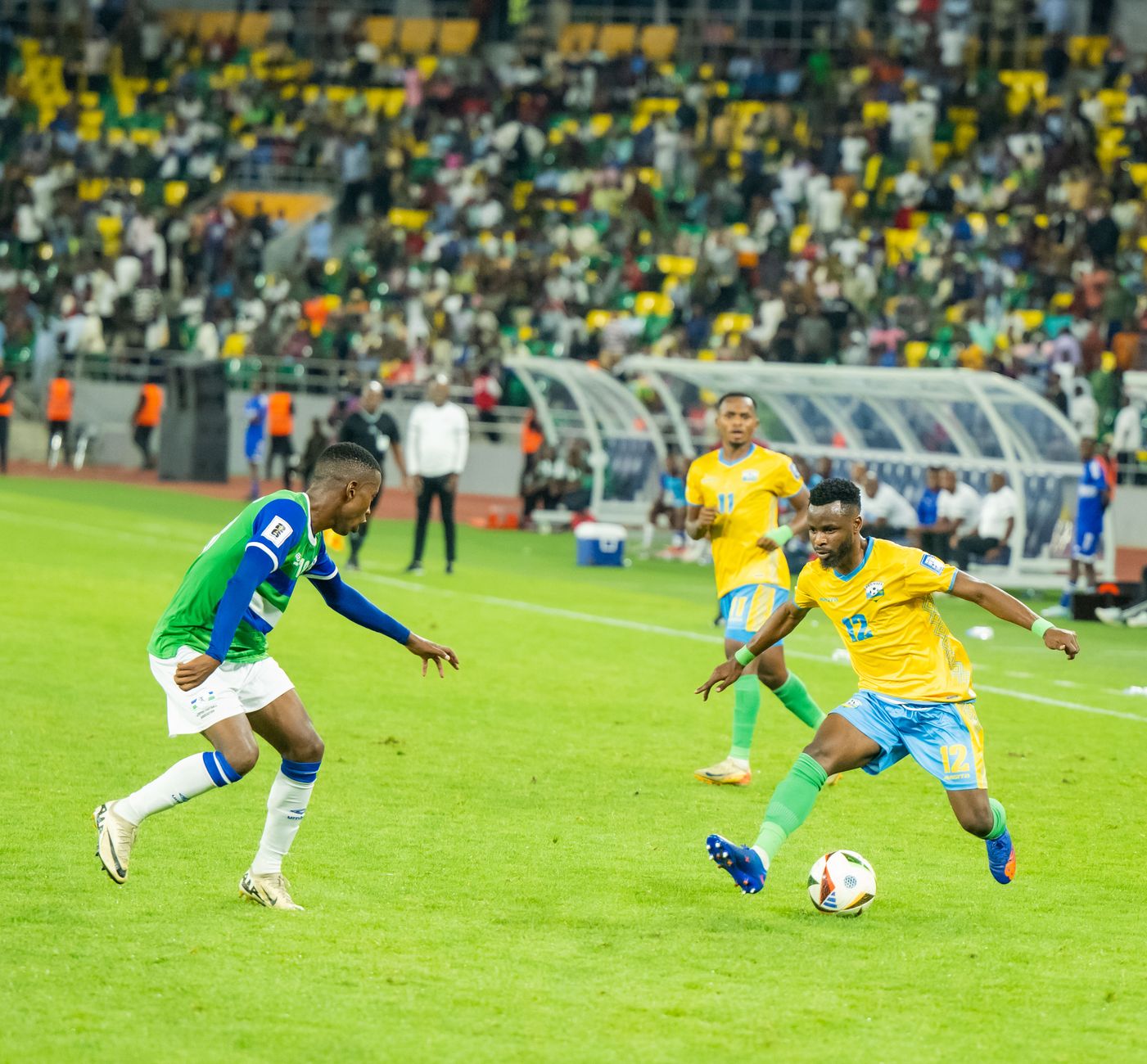
Photo by Faustin NKURUNZIZA on Pexels
The Quick Comparison
| Category | Cabo Verde National Football Team | Typical CAF Mid-Tier Opponent |
|---|---|---|
| Governing body | Federação Caboverdiana de Futebol | National federation |
| Confederation | CAF | CAF |
| Nickname | Blue Sharks | Varies |
| AFCON benchmark | Quarter-finals in 2013 and 2023 | Group stage to last 16 |
| Core strength | Compact defending and transitions | Physicality or wide attacks |
| 2026 relevance | World Cup qualifying outsider with tactical upside | Qualification challenger |
| Key evaluation metric | Chance quality allowed | Possession share or shots |
Cabo Verde’s profile is unusual because the country has a small population base but a broad football diaspora across Portugal, Netherlands, France, and other European markets. That creates a squad-building model different from larger African federations: player identification matters as much as domestic league production. According to the Cape Verde national football team profile on Wikipedia, the team has steadily improved its continental visibility since the early 2010s, especially through AFCON results. For readers comparing teams for 2026 World Cup betting or prediction markets, this matters because Cabo Verde often performs better than raw market perception when facing opponents that struggle to break compact blocks. [Internal Link: 2026 World Cup team previews]
Round 1: How Does Cabo Verde Compete Tactically?
Cabo Verde competes by reducing space between defensive lines, protecting central zones, and attacking quickly after turnovers. The team is most effective when matches remain low-scoring, usually favoring structured pressing triggers over long spells of possession.
The Blue Sharks rarely need to win the possession statistic to control the match state. Their best performances usually include three observable features: 1. a narrow midfield screen, 2. full-backs who advance selectively rather than constantly, and 3. forwards who attack second balls instead of waiting for long passing sequences. This approach is not risk-free; if Cabo Verde concedes first, it may need to stretch the pitch earlier than planned, which can expose the center-backs to direct runners. However, against higher-ranked opponents, this trade-off is rational because it lowers volatility for the first 60 minutes and increases the value of set pieces. A useful betting note for World Cup Hub readers is that Cabo Verde matches can look quiet statistically while remaining strategically favorable, especially when expected goals allowed is low despite opponent shot volume.
One under-discussed operational detail is travel geography. Cabo Verde’s Atlantic location creates different preparation demands from mainland African away trips. Opponents flying into Praia or Mindelo may face schedule compression, climate adjustment, and pitch familiarity issues, while Cabo Verde’s Europe-based players often join camp through Lisbon connections. That does not guarantee results, but it changes the probability model for home qualifiers. A market that prices only FIFA ranking or recent scorelines can miss this edge. The FIFA rankings page is useful for broad comparison, but rankings do not fully capture route difficulty, late squad arrivals, or weather-adjusted match tempo.
For a deeper look at tactical betting variables such as travel, rest days, and lineup continuity, explore World Cup Hub’s football coverage.

Photo by Omar Tube on Pexels
Round 2: Why Are AFCON Results Important for 2026?
AFCON results matter because they show Cabo Verde can handle tournament pressure against stronger African squads. Quarter-final runs in 2013 and 2023 demonstrate that the Blue Sharks’ structure can survive beyond one-off qualifying surprises.
The Africa Cup of Nations is a useful stress test because it compresses recovery, scouting, and tactical adaptation into a short window. Cabo Verde’s 2013 quarter-final run established the team as more than a novelty, while the 2023 quarter-final appearance confirmed that the improvement was not a single-cycle event. The Confederation of African Football describes AFCON as the continent’s flagship national-team competition, and its structure rewards teams that can manage momentum without relying on one star player. For Cabo Verde, that is important because the squad’s value lies in collective spacing rather than overwhelming individual superiority. A team that can remain organized through three group matches and a knockout fixture is better prepared for difficult 2026 qualifying windows.
There is also a contrarian implication. Many casual bettors overreact to famous opponent names, especially when Cabo Verde faces countries with Premier League or Ligue 1 stars. Yet AFCON evidence suggests the Blue Sharks can drag stronger opponents into uncomfortable game states if the first half remains level. That does not make Cabo Verde an automatic underdog pick; instead, it supports narrower markets such as draw at half-time, under goal totals, or handicap lines when team news confirms a first-choice defensive unit. For more context on tournament variance, see our [Internal Link: AFCON to World Cup form guide].
Round 3: What Player Profile Drives Cabo Verde’s Ceiling?
Cabo Verde’s ceiling depends on Europe-based players who combine tactical education with national-team commitment. The most valuable profile is not only a scorer, but a two-phase player who presses, carries, and defends transitions.
The squad’s modern advantage comes from a recruitment pool connected to Portuguese football pathways and wider European leagues. These players often arrive with experience in structured club systems, which helps national-team coaches install compact roles quickly during short international windows. The limitation is continuity: players based across several countries may have fewer shared training days than squads built around a dominant domestic league. That creates a practical selection trade-off between individual quality and automated partnerships. In match analysis, World Cup Hub gives extra weight to repeated center-back pairings, midfield balance, and whether the starting striker can defend from the front for 70 minutes. [Internal Link: player stats and lineup analysis]
A second information-gain point concerns substitution timing. Cabo Verde’s tactical plan can lose efficiency if the first pressing line tires before the midfield block adjusts. In several low-scoring international matches, the key swing has not been the starting shape but the 60th-to-75th-minute phase, when opponents increase crossing volume and second-ball pressure. Analysts should therefore track bench profiles, not just the starting eleven. A fresh wide forward who can carry the ball 30 meters may be more valuable than a traditional penalty-box striker when Cabo Verde is protecting a 1-0 lead or chasing a late draw.
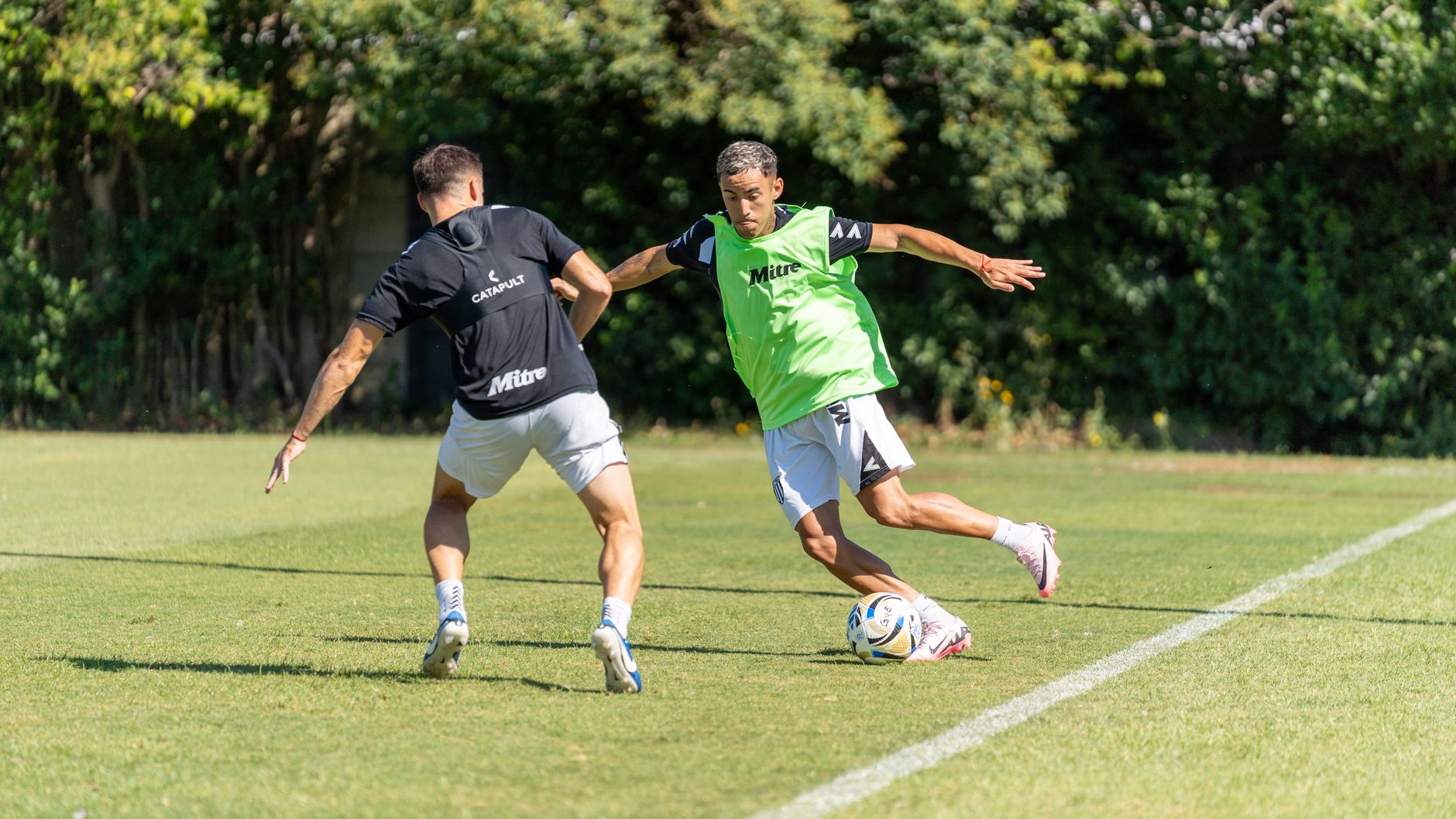
Photo by Franco Monsalvo on Pexels
To compare squad roles and match-specific player trends before major fixtures, use World Cup Hub as your research base.
The Final Score & Who Should Pick What
Cabo Verde should be treated as a disciplined outsider, not a romantic long shot or a guaranteed disruptor. The most balanced conclusion is that the Blue Sharks are strongest in controlled, low-margin games and less convincing when forced into open, high-tempo chases.
For fans, the appeal is clear: Cabo Verde offers a tactical identity that rewards close watching rather than highlight-only judgment. For analysts, the correct approach is to separate reputation from repeatable indicators. The most useful checklist is: 1. Was the first-choice defensive spine selected? 2. Did Cabo Verde have at least four recovery days? 3. Is the opponent dependent on central progression? 4. Are set-piece takers available? 5. Is the market overpricing the opponent’s name recognition? If at least three answers favor Cabo Verde, the team may be more competitive than headline odds suggest. If two or fewer apply, caution is warranted.
For betting-oriented readers, the best fit is usually not aggressive moneyline exposure. More measured angles include Asian handicap protection, first-half draw analysis, and total-goals markets when lineup news supports defensive stability. This is where World Cup Hub’s 2026 World Cup coverage can help: not by promising certainty, but by organizing team tactics, player stats, and matchup context into a clearer decision framework. [Internal Link: football betting strategy for World Cup qualifiers]

Photo by Lukas Blazek on Pexels
Before your next Cabo Verde match preview, review the latest tactical notes and prediction angles in one place.
Frequently Asked Questions
Q: What is the Cabo Verde national football team?
A: The Cabo Verde national football team represents Cabo Verde in men’s international football. It is governed by the Federação Caboverdiana de Futebol and competes in CAF and FIFA competitions. The team is commonly called the Blue Sharks and is known for compact defensive organization.
Q: How to analyze Cabo Verde before a 2026 qualifier?
A: Start by checking lineup continuity, defensive pairings, travel schedule, and opponent style. Cabo Verde is usually more competitive when it can keep a compact shape and counter through wide or central runners. Avoid judging the team only by possession percentage, because its game plan often accepts lower possession.
Q: Is Cabo Verde good enough to qualify for the World Cup?
A: Cabo Verde is a credible outsider rather than a qualification favorite. Its AFCON quarter-final runs show tournament resilience, but World Cup qualification requires consistency across multiple windows. The team’s chances improve when first-choice defenders, midfield screeners, and transition attackers are all available.
Q: What is the difference between Cabo Verde and larger CAF teams?
A: Cabo Verde relies more on organization and diaspora recruitment, while larger CAF teams often have deeper player pools and more elite-club stars. This creates a tactical contrast: Cabo Verde must optimize structure, rest, and set pieces. Larger opponents may dominate territory but still struggle if Cabo Verde controls central space.
Q: Why does Cabo Verde sometimes struggle to score?
A: Cabo Verde can struggle to score when opponents force it to build patiently against a settled block. The team is more dangerous after turnovers, set pieces, and transitional attacks than through long possession sequences. If it concedes early, the tactical model becomes less efficient because the match opens up.
Q: Is following Cabo Verde betting markets expensive?
A: Following Cabo Verde markets does not require high stakes, and cautious bettors can use small-unit positions. The smarter approach is to compare odds movement, injury news, and tactical matchups before committing. Markets such as handicap lines or first-half outcomes may suit Cabo Verde analysis better than simple win bets.
Thank you for reading.
World Cup Hub · Editorial Archive