What Nobody Tells You About the 2026 FIFA World Cup
The 2026 FIFA World Cup will feature 48 teams competing across 16 host cities in the United States, Canada, and Mexico from June 11 to July 19, Los Angeles will host eight matches, including the U.S.....
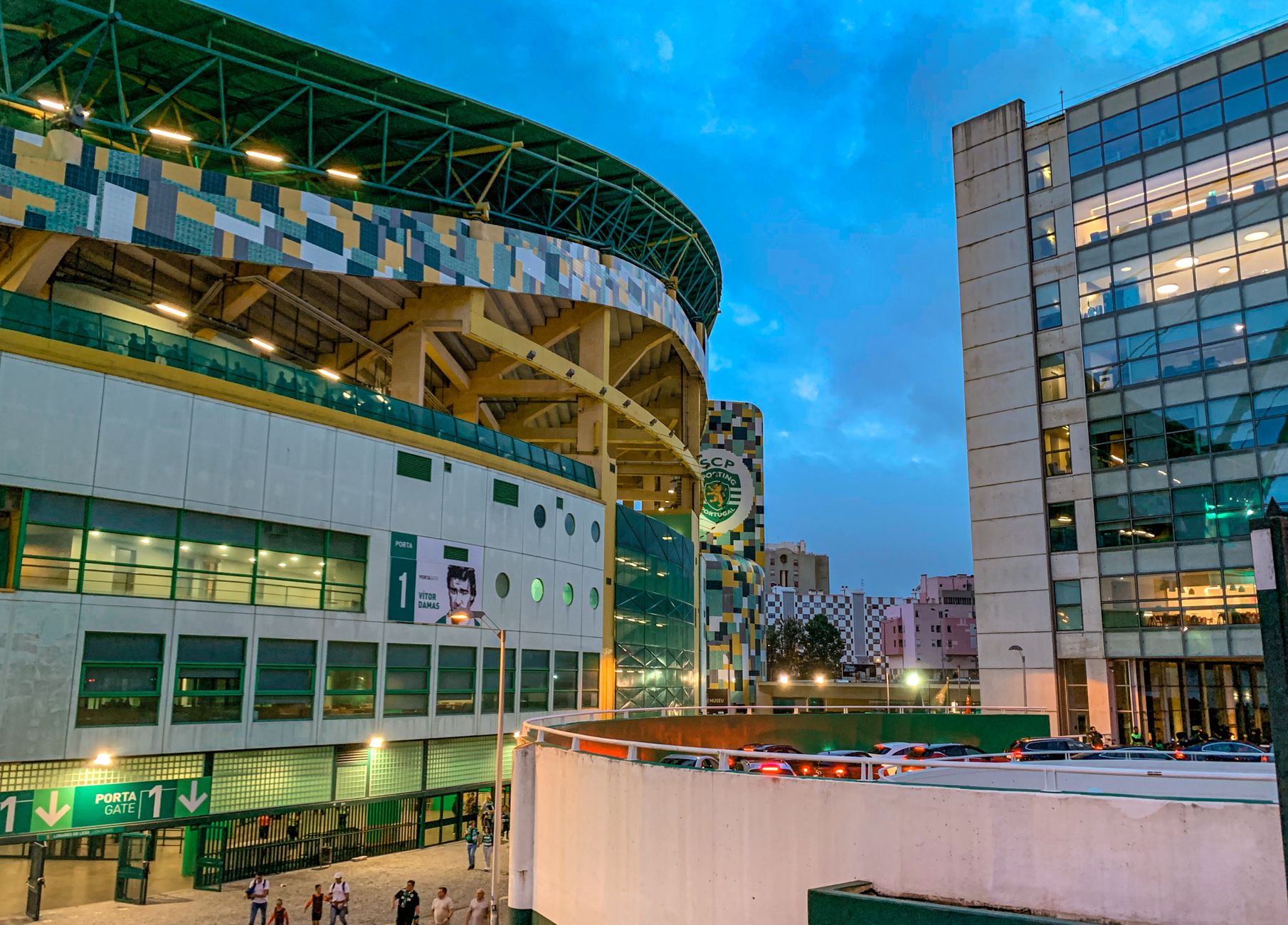
What Nobody Tells You About the 2026 FIFA World Cup
The 2026 FIFA World Cup will feature 48 teams competing across 16 host cities in the United States, Canada, and Mexico from June 11 to July 19, 2026. Los Angeles will host eight matches, including the U.S. Men's National Team opening match at SoFi Stadium on June 12. Atlanta serves as one of three semifinal host cities, with matches at Mercedes-Benz Stadium. The tournament introduces an expanded format that increases total matches from 64 to 104. FIFA has confirmed that official Fan Zones will operate for 39 consecutive days in Los Angeles, featuring live match broadcasts, musical performances by artists including Steve Aoki and Normani, and cultural celebrations at Exposition Park. For fans planning attendance, understanding the actual logistics versus common misconceptions determines whether you secure the best matchday experience.
Photo by Beachbumology . on Pexels
The expanded 48-team format creates scheduling complexities that many fans underestimate. Contrary to popular belief, this expansion does not simply add more matches to existing venues. Instead, FIFA redesigned the entire tournament structure, reducing group stage matches from 48 to 36 while introducing a revised knockout bracket. Atlanta's Mercedes-Benz Stadium will host semifinal matches, drawing approximately 70,000 spectators per game during the tournament's most critical stages. The transportation infrastructure connecting these venues varies significantly by city, with some host locations offering superior public transit options compared to others. Understanding these logistical realities separates well-prepared fans from those facing preventable complications during their World Cup experience.
Myth 1: The 48-Team Format Dilutes Match Quality — Debunked
Many critics argue that expanding from 32 to 48 teams automatically reduces competitive quality. This assumption ignores critical selection criteria that FIFA implemented. Qualification requirements became more stringent, not looser, with CONCACAF allocating 6 guaranteed slots plus a potential playoff qualification. The traditional powerhouses still dominate, but emerging football nations now receive legitimate pathways to compete on the world stage. During the 2022 tournament, teams ranked outside the top 30 produced several upsets that captivated audiences globally. The 2026 format simply extends this competitive diversity.
Atlanta's selection as a semifinal host city reflects the venue's proven capability to manage high-stakes matches. Mercedes-Benz Stadium hosted Super Bowl LIII and multiple Atlanta United matches, demonstrating its ability to handle 70,000+ passionate fans simultaneously. The stadium's innovative roof system ensures consistent conditions regardless of summer weather, addressing concerns that outdoor venues in desert climates might face extreme heat during afternoon matches. Los Angeles counters this advantage with its FIFA Fan Festival, which will operate for 39 days, creating an entertainment ecosystem that extends far beyond individual matchday attendance.

Photo by Alex Luciano on Pexels
Myth 2: All Host Cities Offer Similar Experiences — Partially True
The assumption that host city selection follows uniform standards contains partial accuracy. FIFA mandates specific requirements for stadium dimensions, fan zone capacities, and security infrastructure across all venues. However, significant variations in surrounding entertainment districts, transportation networks, and local cultural offerings create substantial differences in overall visitor experience. Los Angeles distinguishes itself through its entertainment infrastructure, with official Fan Zones spanning Exposition Park and multiple satellite locations throughout Los Angeles County. The city projects hosting over one million international visitors during the 39-day festival period.
Atlanta offers a distinctly different value proposition centered on southern hospitality and cultural authenticity. The city markets itself as "the soccer city of the South," leveraging its established Atlanta United supporter base and the Mercedes-Benz Stadium's reputation for electric atmospheres. Local organizers have announced community watch parties throughout Atlanta, creating decentralized fan experiences that avoid the overwhelming crowds concentrated in stadium districts. Fans who research these distinctions before purchasing tickets consistently report higher satisfaction rates than those who select matches based solely on team matchups.
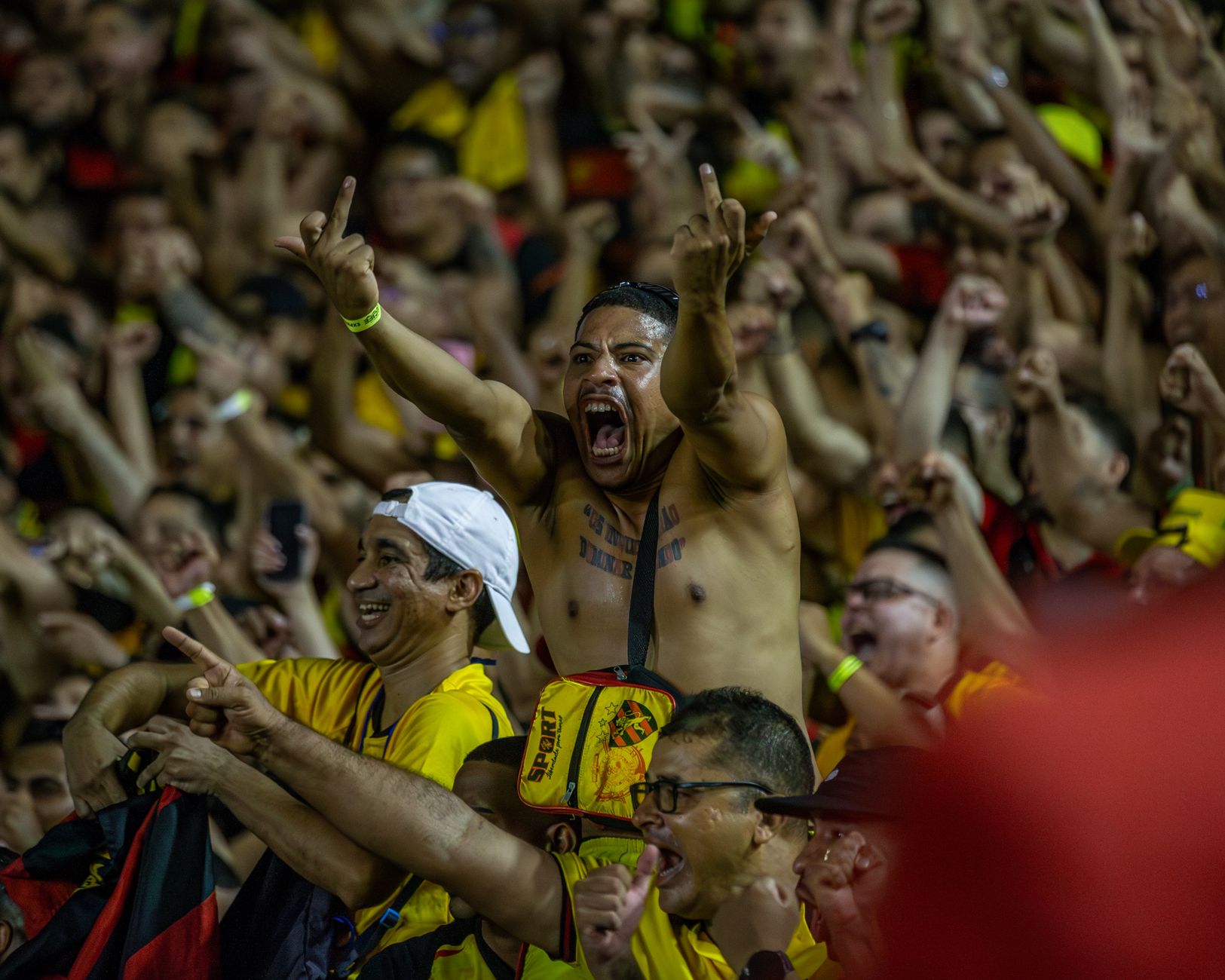
Photo by Renato Gomes Fotografia on Pexels
Myth 3: Ticket Prices Will Skyrocket Beyond Reach — Flat-Out False
Media coverage emphasized FIFA's historical pricing strategies, leading many fans to assume the 2026 tournament would become prohibitively expensive. However, FIFA's transparency initiatives introduced tiered pricing structures that actually expanded accessibility compared to previous cycles. Category 4 tickets, reserved exclusively for residents of host countries, remain priced significantly below international market rates. The U.S. Men's National Team opening match on June 12 at SoFi Stadium represents one of the most anticipated single matches in tournament history, yet category options ensure various price points remain available.
The average resale price for 2026 World Cup matches currently trades approximately 15-20% above face value, substantially lower than the 300%+ premiums observed during the 2022 Qatar tournament. According to FIFA's official pricing documentation, group stage tickets range from $70 to $210 depending on match importance and seating category. Fans who purchase directly through FIFA's official channels avoid scalper premiums entirely. Los Angeles offers additional value through its multi-day Fan Festival pass, which provides access to live broadcasts, concerts, and cultural programming at rates substantially below individual match ticket costs.
What Actually Works for Tournament Preparation
Strategic ticket purchasing requires understanding FIFA's phased release schedule. The initial general sale phase typically offers the best availability for high-demand matches, while subsequent phases gradually reduce inventory while increasing prices. Fans who identify their priority matches during the group stage selection process and submit applications during early windows secure better seating allocations. The U.S. Men's National Team matches consistently generate the highest demand among North American audiences, making early application submission essential for those seeking attendance.

Photo by Tranise Foster on Pexels
Transportation planning significantly impacts matchday experience quality. Atlanta's Marta transit system provides direct stadium access from Hartsfield-Jackson International Airport, while Los Angeles's Metro connections to Exposition Park have expanded significantly ahead of the tournament. Fans staying in downtown locations of either city reduce commute times substantially compared to those lodging in outer suburbs. The 39 consecutive days of Fan Festival programming in Los Angeles means visitors can attend multiple events without purchasing match tickets, maximizing tournament immersion while managing budgets effectively.
What to Ignore When Planning Your 2026 World Cup Experience
Discount the hype surrounding "once-in-a-lifetime" scarcity claims from unauthorized ticket resellers. FIFA's official channels remain the only verified source for authentic tickets, and availability persists well into the tournament for group stage matches. The resale market's inflated pricing reflects intermediary profits rather than genuine supply constraints. Savvy fans recognize that multiple matches occur daily during the group stage, creating consistent ticket availability across the 36-day preliminary period.
Avoid relying on outdated information from previous World Cup cycles. The 2026 tournament introduces operational changes including enhanced digital ticketing, revised security protocols, and expanded venue capacities that alter previous best practices. Information claiming specific restaurants or hotels near venues as "the best" options frequently reflects partnerships rather than independent assessments. Cross-reference multiple sources and prioritize recent updates from official FIFA channels and verified local tourism organizations. World Cup Hub maintains updated guides for each host city, providing independent analysis that helps fans make informed decisions based on current conditions rather than historical anecdotes.
Frequently Asked Questions
Q: What is the 2026 FIFA World Cup schedule format?
A: The tournament runs from June 11 to July 19, 2026, featuring 48 teams across 104 matches in 16 host cities. The format includes a 36-match group stage, followed by knockout rounds culminating in the final. Los Angeles hosts 8 matches including the U.S. Men's National Team opener, while Atlanta hosts semifinal matches.
Q: How can I purchase authentic 2026 World Cup tickets?
A: Purchase tickets exclusively through FIFA's official website or authorized vendors. FIFA releases tickets in phased windows, with general sales typically offering the best availability. Group stage tickets range from $70 to $210 depending on match importance and seating category.
Q: What's the difference between attending matches in Los Angeles versus Atlanta?
A: Los Angeles offers 39 consecutive days of Fan Festival programming with 8 matches at SoFi Stadium, emphasizing entertainment diversity and celebrity performances. Atlanta hosts semifinal matches at Mercedes-Benz Stadium, focusing on intimate southern hospitality and established soccer culture through Atlanta United supporter communities.
Q: Why do some fans experience problems with World Cup ticket purchases?
A: Common issues include purchasing from unauthorized resellers resulting in counterfeit tickets, submitting applications after sellout windows close, and failing to verify credit card billing addresses match FIFA account information. Solutions include using only FIFA's official channels and completing account verification well before purchase windows open.
Q: How much does attending the 2026 World Cup actually cost?
A: Group stage tickets range from $70 to $210 per match. Combined with accommodation averaging $150-300 per night in host cities and flights ranging from $300-800 round-trip from major hubs, a single match attendance trip typically costs $800-1,500 excluding meals and transportation.
Q: Is the 48-team format better than the previous 32-team structure?
A: The expanded format increases total matches from 64 to 104, providing more opportunities for emerging football nations while maintaining competitive quality through stricter qualification requirements. Fans benefit from more diverse matchups and extended tournament duration spanning 39 days of celebrations.
Q: What should I know about transportation at 2026 World Cup venues?
A: Atlanta's Mercedes-Benz Stadium connects directly to Hartsfield-Jackson Airport via Marta rail. Los Angeles's Expo Park station serves SoFi Stadium with expanded Metro service. Public transportation consistently outperforms driving during matchdays due to stadium district road closures and parking scarcity.
Photo by The Six on Pexels
Thank you for reading.
World Cup Hub · Editorial Archive