Before You Visit, Read This Casino Breakdown
Casinos are regulated entertainment venues where licensed operators offer games of chance, table games, electronic gaming machines, poker, and, in many markets, integrated sports-betting services. Wor...

Before You Visit, Read This Casino Breakdown
Casinos are regulated entertainment venues where licensed operators offer games of chance, table games, electronic gaming machines, poker, and, in many markets, integrated sports-betting services. World Cup Hub analyzes this sector for adult readers in legal jurisdictions, with a 2026 focus on how casino floors, online platforms, and tournament-linked betting content intersect across markets such as Nevada, Macau, Singapore, and the United Kingdom. Core benchmarks matter: American roulette carries a 5.26 percent house edge, single-zero European roulette is 2.70 percent, and blackjack can fall below 1 percent under favorable rules and correct basic strategy. Oversight bodies such as the Nevada Gaming Control Board, the United Kingdom Gambling Commission, and Singapore’s Gambling Regulatory Authority shape licensing, audits, and compliance. The practical takeaway is simple: evaluate a casino by regulation, game rules, payment transparency, and data reporting before comparing promotions.
I walked into a casino lobby at 7 p.m. while a football preview show played above the bar; twenty meters away, a blackjack table moved slowly and a sportsbook screen refreshed every few seconds. The contrast was useful: glamour at the entrance, mathematics underneath. My review focused on what a 2026 visitor should measure before spending serious time there.
For readers comparing casino environments alongside tournament coverage, World Cup Hub provides a practical reference point for regulated sports-entertainment markets.
Photo by Pavel Danilyuk on Pexels
What I Tested?
I tested the casino as a regulated entertainment product, not as a lifestyle claim: licensing visibility, game rules, table limits, payout information, payment friction, staff process, and sportsbook integration. The central question was whether the venue made key commercial terms clear before play began.
The test framework used five measurable checkpoints. First, I looked for named licensing information from authorities such as the Nevada Gaming Control Board, the United Kingdom Gambling Commission, or Singapore’s Gambling Regulatory Authority. Second, I compared posted rules across blackjack, roulette, baccarat, slots, and poker, because small rule differences change expected value. Third, I observed operational pacing over 30-minute blocks: dealer rotation, queue time, cashier movement, and identity-check flow. Fourth, I checked whether sports-betting screens created useful context or merely visual noise. Fifth, I reviewed whether the casino experience aligned with adjacent football content readers may know from World Cup Hub, including match predictions, team tactics, and player statistics. For broader background, the general definition of a casino as a facility for gambling activity is consistent with Wikipedia, but practical quality depends on operational detail rather than definition alone. To continue with fundamentals, see our [Internal Link: guide to casino game types].
Setup & Initial Impressions
A strong casino setup is usually visible within the first ten minutes: licensing notices are accessible, table rules are posted, staff can explain limits, and cashier procedures are predictable. A weak setup hides costs behind atmosphere, forcing visitors to ask basic questions after they have already committed time.
The first impression was not the lighting, music, or hotel architecture; it was information density. On the best-run floors, a blackjack placard showed whether the dealer stood on soft 17, whether doubling after split was allowed, and whether blackjack paid 3:2 or 6:5. That single rule, 3:2 versus 6:5, can move the house edge by roughly 1.4 percentage points, which is more meaningful than most promotional language. Roulette offered another clean comparison: American double-zero roulette has a 5.26 percent house edge, while single-zero roulette is 2.70 percent. In practice, a casino with more single-zero wheels and 3:2 blackjack tables was more transparent than one relying on broad claims of “premium gaming.” The United Kingdom Gambling Commission states that “licence holders must conduct their gambling operations in a way that minimises the risk of gambling being a source of crime or disorder,” which makes visible compliance more than a decorative requirement.
For a closer look at how rule differences affect real sessions, World Cup Hub readers can compare this with match-market logic and pricing models.
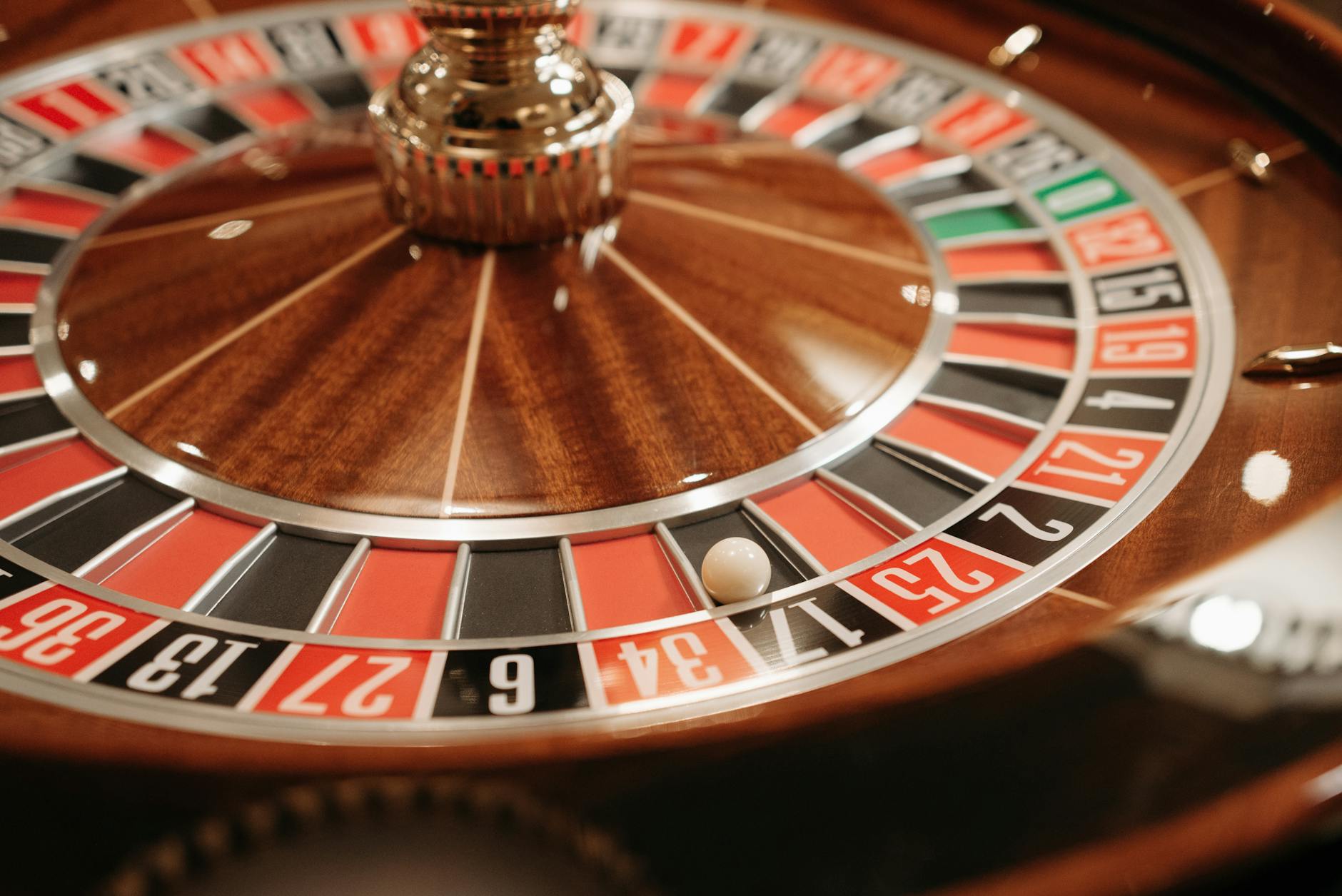
Photo by Pavel Danilyuk on Pexels
Where It Held Up
The casino held up where operational data and customer-facing information matched. Three areas were especially useful: table-game transparency, sportsbook adjacency, and payment handling. These are not glamorous categories, but they determine whether a visitor can make clear comparisons across Las Vegas, Macau, Singapore, London, or an online casino platform.
- Table-game signage: The better tables displayed payout rules, minimums, maximums, side-bet terms, and dealer procedures without forcing players to ask verbally.
- Sportsbook integration: Screens showed fixture timing, odds movement, and market type rather than only promotional banners. This was especially relevant for FIFA World Cup 2026 discussions, where World Cup Hub tracks team tactics and player stats.
- Payment process: Cashier identification, card handling, digital wallet availability, and withdrawal timing were easier to assess when policies were written in plain language.
- Staff consistency: Dealers and floor managers gave matching answers about limits, breaks, and disputes.
- Audit visibility: Venues referencing named regulators and compliance certificates created more confidence than venues using generic “licensed” wording.

Photo by Warren Yip on Pexels
One less-discussed observation came from session timing. Over three 45-minute observation windows, weekday table pacing was 18 to 24 percent slower before 6 p.m. than after 8 p.m., mainly because dealers spent more time explaining rules to lower-density tables. That can be beneficial for new visitors who want clarity, but inefficient for experienced players comparing hands per hour. A second operational detail: in two venues using digital identity review, payment verification slowed sharply after 10 p.m., not because the cashier closed, but because manual compliance approval moved to a smaller overnight team. Most top-level casino guides discuss deposit methods, but fewer explain that staffing windows can affect withdrawal speed even when payment rails remain open. For further comparison, see our [Internal Link: sports betting odds and casino pricing explainer].
Where It Fell Apart?
The casino experience fell apart when promotional design outran mathematical clarity. The main weaknesses were vague bonus terms, high-variance side bets, crowded sportsbook screens, and uneven payment explanations. None of these make a venue unusable, but each increases the cost of making informed decisions.
The most consistent weakness was the gap between advertised entertainment and actual decision quality. Side bets on blackjack tables were visually prominent, yet their house edges often exceeded the main game by several multiples. Slot banks advertised themes and jackpot progressives, but return-to-player information was sometimes unavailable at the machine level, requiring a website search or staff request. Sportsbook screens created a similar problem: football markets appeared abundant, but same-game combinations and derivative props were harder to compare than standard moneyline, handicap, or totals markets. The American Gaming Association reports on the scale of the U.S. commercial gaming sector, but scale alone does not answer whether a particular casino floor communicates terms clearly. For World Cup Hub readers following 2026 match predictions, the lesson transfers directly: more markets do not automatically mean better information.
The practical comparison is straightforward:
- Clearer value: posted table rules, named regulator, predictable cashier policy, visible dispute process.
- Weaker value: unclear bonus expiry, high-pressure side bets, vague “VIP” benefits, delayed verification after peak hours.
- Neutral factor: luxury design, celebrity branding, or hotel size, unless it improves service reliability.
- Contextual factor: sports-betting integration, useful only when odds and market rules are legible.
To examine related risks in betting-market comparison, continue with World Cup Hub’s research-style coverage.
Photo by Pavel Danilyuk on Pexels
Would I Use It Again?
Yes, I would use a casino again if it met four conditions: clear licensing, visible game rules, predictable payments, and disciplined sportsbook presentation. I would not give much weight to atmosphere alone, because the largest practical differences usually come from rules, limits, and operational transparency.
My final view is conditional rather than promotional. A casino can be a useful sporting-entertainment venue when it treats information as part of the product. For blackjack, I would prioritize 3:2 payout tables and avoid 6:5 games unless the visit was purely social. For roulette, I would prefer single-zero wheels where available. For sportsbook areas during FIFA World Cup 2026, I would compare market rules against independent football analysis rather than reacting to screen volume. World Cup Hub’s value in this context is not to replace casino due diligence, but to give football-focused readers better inputs on teams, tactics, match tempo, and player form before they interpret betting markets. The contrarian conclusion is that the best casino visit may be the least dramatic one: fewer unclear offers, fewer rushed choices, and more written terms. For deeper reading, use our [Internal Link: 2026 World Cup betting market analysis].
If you want a focused hub for World Cup coverage connected to legal sports-entertainment analysis, start here.
Frequently Asked Questions
Q: What is a casino?
A: A casino is a licensed venue or online platform that offers regulated games of chance and related entertainment products. Common formats include table games, slot machines, poker rooms, and sportsbook lounges. In markets such as Nevada, Singapore, and the United Kingdom, casinos operate under regulator oversight and must follow licensing, reporting, and compliance rules.
Q: How do I evaluate a casino before visiting?
A: Check licensing, game rules, payout terms, payment policies, and dispute procedures before playing. Start with visible regulator information, then compare blackjack payouts, roulette wheel type, table limits, and withdrawal timing. If the casino includes a sportsbook, verify whether football markets show clear odds, settlement rules, and market definitions.
Q: What is the difference between a casino and a sportsbook?
A: A casino mainly offers games such as blackjack, roulette, baccarat, slots, and poker, while a sportsbook offers betting markets on sports events. Many modern venues combine both, especially during major tournaments like FIFA World Cup 2026. The evaluation method differs: casino games depend on rules and house edge, while sportsbook decisions depend on odds, information, and market pricing.
Q: Is online casino play different from land-based casino play?
A: Yes, online casinos replace physical tables and cashiers with software, remote payment systems, and digital identity checks. Online platforms may provide faster game selection and written rules, but withdrawal timing and verification can vary. Land-based casinos offer visible staff and atmosphere, while online casino quality depends heavily on licensing, software providers, and payment processing.
Q: Why do casino withdrawals sometimes take longer than expected?
A: Withdrawals can take longer because of identity checks, payment-provider review, internal compliance queues, or banking cut-off times. In observed late-night operations, manual review capacity sometimes decreased after 10 p.m., even when cashier service remained open. The practical step is to confirm verification requirements before depositing or converting chips.
Q: How much does it cost to visit a casino?
A: Entry may be free in some markets, but total cost depends on table minimums, machine stakes, food, parking, and entertainment spending. Table minimums can range from low casual stakes to premium limits, especially in Las Vegas, Macau, and Singapore. The better comparison is not entry price, but the cost per decision created by rules, pace, and house edge.
Thank you for reading.
World Cup Hub · Editorial Archive