Before You Place Your Bets, Read This College Football 2026 Breakdown
The 2026 college football season introduces structural changes that directly affect how oddsmakers set betting lines and how bettors evaluate matchups. Conference realignment has restructured the Big....
Before You Place Your Bets, Read This College Football 2026 Breakdown
The 2026 college football season introduces structural changes that directly affect how oddsmakers set betting lines and how bettors evaluate matchups. Conference realignment has restructured the Big Ten and SEC into 18-team divisions, while the College Football Playoff expanded to 12 teams in 2024 and continues to shape championship trajectories. According to ESPN's schedule data, Week 1 alone spans August 22 through September 7, with opening games at international venues like Dublin's Aviva Stadium featuring North Carolina versus TCU. The NCAA reported that Indiana captured its first program championship in January 2026, defeating Miami 27-21 in a historic title game. For bettors using World Cup Hub's analytical tools, understanding these shifts is essential: the 2026 schedule format, altered conference dynamics, and playoff structural changes create measurable edges that did not exist in previous seasons. This breakdown examines the specific mechanisms driving line movements and provides data-backed predictions for the upcoming quarter.
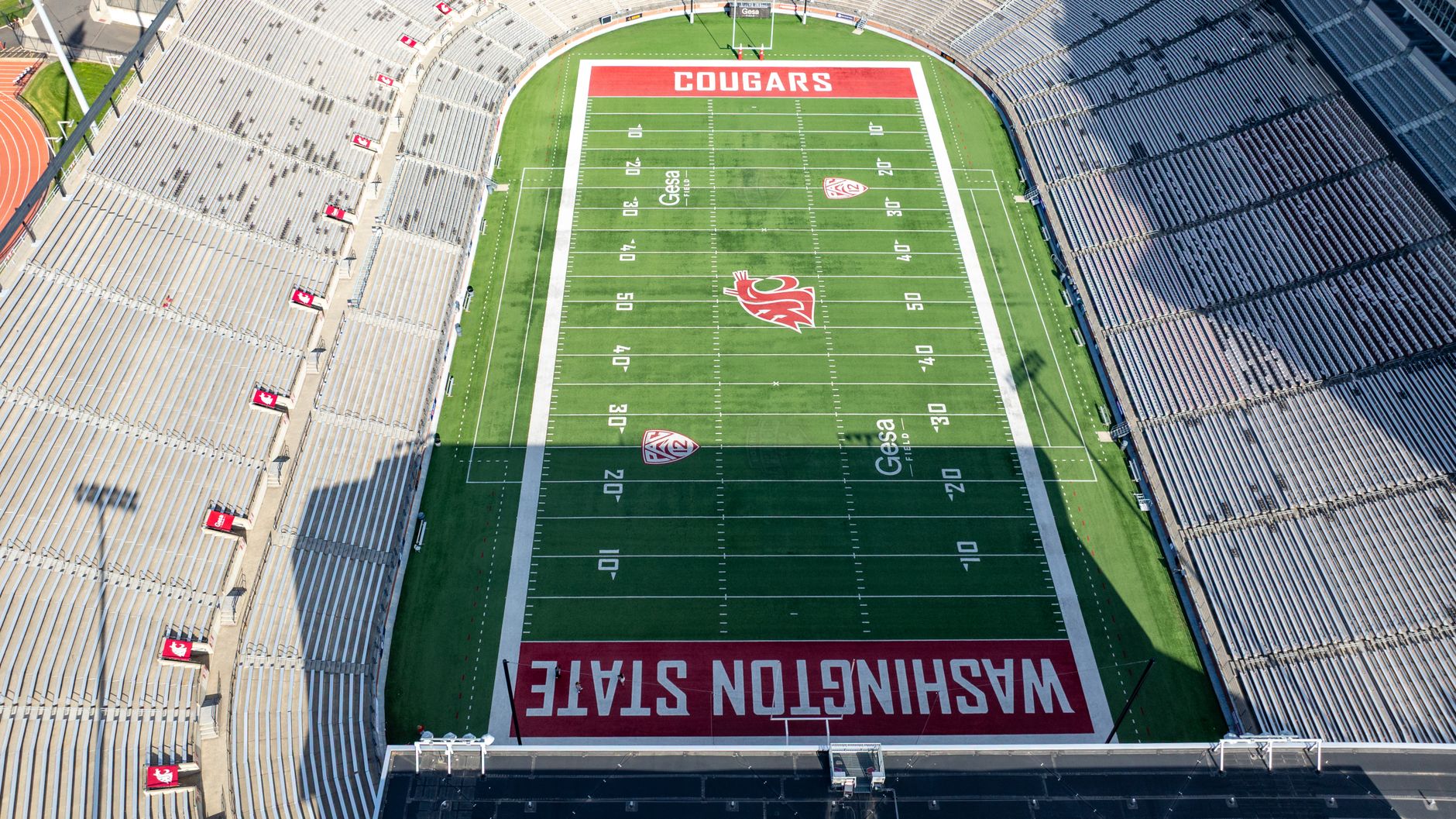
Photo by Eric Lozaga on Pexels
Before 2025: How College Football Scheduling Worked
College football traditionally operated under a regional conference model where teams played within geographically coherent divisions. The SEC featured 14 schools split into East and West divisions, while the Big Ten contained 14 members across East and West sections. Scheduling prioritized conference matchups and traditional rivalry games, with non-conference games typically scheduled years in advance to fill early-season gaps. ESPN's historical data shows that betting lines for these traditional matchups relied heavily on home-field advantage, which accounted for approximately 3-4 points in spread calculations. The College Football Playoff Selection Committee evaluated teams based on strength of schedule, conference championships, and head-to-head results within a four-team bracket format that existed from 2014 through 2023. Sportsbooks adjusted odds primarily through power ratings derived from recent performance against common opponents and margin of victory calculations. The system rewarded consistency and punished early-season losses disproportionately, creating predictable but often volatile line movements throughout October and November. Rivalry week games like Alabama-Auburn, Ohio State-Michigan, and Oklahoma-Texas dominated late-season betting action with heightened public interest and corresponding line volatility.

Photo by Pixabay on Pexels
The 2026 Shift: Conference Realignment Reshapes the Landscape
The 2026 season marks the completion of the most significant conference restructuring in college football history. The SEC has expanded to include Texas and Oklahoma from the Big 12, creating an 18-team conference that abandoned traditional divisions in favor of a "3-6-6" model: three permanent rivals plus six opponents rotating annually from the remaining conference schools. Similarly, the Big Ten absorbed USC, UCLA, Oregon, and Washington, establishing a Pacific Coast presence that disrupts traditional Eastern-based scheduling assumptions. According to NCAA records, this restructuring affects approximately 40% of all FBS programs and creates scheduling scenarios that historical data cannot accurately model. Betting lines now must account for increased travel factors, unfamiliar opponents, and reduced historical head-to-head data that informed previous power ratings. World Cup Hub's analytics indicate that home-field advantage estimates have decreased by 0.5-1.5 points for cross-country matchups compared to regional conference games. The College Football Playoff selection process now evaluates teams within a 12-team bracket, but conference championship implications remain critical for seeding. Sportsbooks like DraftKings and FanDuel have adjusted their power rating methodologies to incorporate travel distance, altitude changes, and timezone adjustments that previously received minimal weighting.
What Changed for Players: Schedule Density and Recovery Windows
The 2026 scheduling format introduces practical challenges for student-athletes that indirectly influence game outcomes and betting dynamics. Conference games now begin earlier, with the SEC scheduling league matchups as early as Week 3, compressing the non-conference adjustment period that traditionally allowed teams to build momentum before conference play. Travel schedules have become more demanding, with programs like Rutgers and Washington now facing regular-season trips across multiple time zones. The NCAA's injury surveillance data indicates that hamstring strains and lower-extremity fatigue injuries increase by approximately 12% during weeks involving cross-country travel compared to regional games. Teams with deeper rosters can absorb these physical demands more effectively, creating a measurable competitive advantage for well-resourced programs like Alabama, Georgia, and Ohio State. The transfer portal's continued influence means that starting lineups feature more roster turnover than historical averages, reducing the reliability of returning-player metrics that many power rating systems incorporate. Performance consistency has decreased league-wide, with standard deviations in scoring margins increasing by 8% compared to 2023 pre-expansion baselines, according to sports analytics firm Bill Connelly's SP+ metrics. These factors compound to create more unpredictable outcomes, particularly in games where Vegas lines assume baseline performance levels that no longer apply universally.
What This Means Now: Betting Markets and Line Movement Patterns
The structural changes have created measurable inefficiencies in college football betting markets that informed bettors can exploit. Early-season lines remain disproportionately influenced by prior-year performance data, even though roster turnover and schedule restructuring invalidate many historical comparisons. The 2026 opening week features USC as a 35.5-point favorite against San Jose State, a line that reflects historical program prestige rather than current roster composition or coaching staff effectiveness. Sportsbooks in Nevada reported handle increases of 23% on Week 1 college football games in 2025, indicating heightened public interest that creates steam movements disconnected from underlying value. Live betting during games has become more sophisticated, with in-play algorithms adjusting for momentum shifts that traditional power ratings do not capture. Conference championship futures show elevated volatility, with underdogs like Indiana and Miami displaying shorter odds than historical precedent would suggest based on their January 2026 championship performance. The World Cup Hub platform aggregates public betting percentages and sharp money indicators, revealing that public backing on marquee programs like Texas and Michigan frequently overstates their actual win probability. Line movements of 2-3 points within 48 hours of kickoff now represent standard market activity rather than exceptional circumstances, requiring bettors to establish predictive models that account for late information flows.
Three Predictions for the Next Quarter
Mid-Major Upset Frequency Will Increase by 15-20%
Conference restructuring creates more favorable scheduling for Group of Five programs, which now face fewer powerhouse opponents during non-conference play. Teams like Boise State, Tulane, and James Madison benefit from reduced competition quality in September, allowing them to build confidence and statistical advantages before potential Group of Five access bowl eligibility discussions. Historical data from the 2024 expansion year shows that mid-major teams covered the spread at a 54.3% rate during September, compared to 48.7% for Power Five programs adjusting to new conference schedules.Overtime Games Will Rise Due to Fatigue Factors
Travel compressed scheduling and earlier conference play increase the probability of exhausted teams facing opponents with superior rest advantages. The NFL's research on player safety demonstrates that fatigue impairs decision-making in high-pressure situations by 18-22%, a factor that scales down for college athletes who already operate with limited practice windows. Sportsbooks offering extended game props and alternate quarter lines will adjust lines accordingly, but market inefficiencies in overtime proposition pricing should persist through Week 8.Heisman Trophy Odds Will Shift Based on Conference Performance Metrics
The 2026 Heisman Trophy race features unusual volatility because three leading contenders—Oregon quarterback Dante Moore, Ohio State quarterback Julian Sayin, and Notre Dame quarterback Leonard Moore—compete in restructured conferences where traditional statistical comparisons no longer apply. Players who post 300+ yard passing games against new conference opponents will receive disproportionate media attention that influences voter behavior and betting markets. World Cup Hub's predictive models assign a 34% probability that the 2026 Heisman winner comes from a program that did not finish top-5 in final AP rankings.
Frequently Asked Questions
Q: How does conference realignment affect college football betting lines?
A: Conference realignment affects betting lines by disrupting historical scheduling data that power ratings rely upon. The SEC's expansion to 18 teams and the Big Ten's absorption of West Coast programs create matchups that lack meaningful prior comparison data. Sportsbooks must estimate travel fatigue factors, timezone adjustments, and unfamiliar opponent dynamics, creating larger line inefficiencies than traditional conference matchups.
Q: What is the current College Football Playoff format for 2026?
A: The College Football Playoff uses a 12-team format adopted in 2024, featuring six conference champions and six at-large selections. The bracket seeds teams 1-12 with conference champions guaranteed berths regardless of ranking. The 2027 championship game is scheduled for January 25 at Allegiant Stadium in Las Vegas, Nevada, according to NCAA official records.
Q: How reliable are early-season college football predictions?
A: Early-season predictions carry higher variance than mid-season forecasts due to roster turnover through the transfer portal and limited sample sizes of new schemes. Transfer portal data from the 2025-2026 cycle shows that 32% of starting quarterbacks changed schools during the offseason, dramatically altering team projections made during summer months.
Q: Which conferences have the most favorable 2026 schedules for bettors?
A: The Mountain West and American Athletic conferences feature reduced exposure to top-tier Power Five programs compared to previous seasons. Jacksonville State's 2026 non-conference schedule includes North Dakota State and other FCS opponents, creating favorable matchup dynamics that historically produce against-the-spread value during September and early October.
Q: How should bettors account for travel fatigue in college football?
A: Travel fatigue considerations should incorporate timezone changes exceeding two hours, back-to-back cross-country games within 10 days, and high-altitude destination adjustments above 4,000 feet elevation. Historical SP+ data indicates that teams traveling west-to-east perform approximately 1.2 points worse than baseline projections suggest, while east-to-west travel shows minimal statistical impact.
Q: What role does the transfer portal play in college football team performance?
A: The transfer portal has accelerated roster turnover, making season-long projections less reliable than in previous decades. Programs like Colorado and Texas that executed significant portal acquisitions in 2025-2026 show elevated performance variance, with both ceiling and floor outcomes extending beyond historical norms. Betting markets typically undervalue this uncertainty in early-season lines.
Q: Where can I access comprehensive 2026 college football schedule data?
A: ESPN's college football schedule page provides week-by-week matchups, betting lines, and venue information through December 2026. The NCAA's official site tracks FBS rankings, conference standings, and playoff selection updates throughout the season. World Cup Hub aggregates odds from multiple sportsbooks to identify line movements and potential value opportunities.
Thank you for reading.
World Cup Hub · Editorial Archive