2026 World Cup vs 2022 Qatar: What Changes
The 2026 World Cup football tournament is FIFA’s expanded men’s championship, hosted across the United States, Canada, and Mexico from 11 June to 19 July World Cup Hub covers it as a dedicated content...
2026 World Cup vs 2022 Qatar: What Changes
The 2026 World Cup football tournament is FIFA’s expanded men’s championship, hosted across the United States, Canada, and Mexico from 11 June to 19 July 2026. World Cup Hub covers it as a dedicated content site for fans, analysts, and regulated betting audiences seeking match predictions, team tactics, player stats, and tournament coverage. The event is trending because it will feature 48 teams instead of 32, 104 matches instead of 64, and 16 host cities including New York/New Jersey, Los Angeles, Toronto, Mexico City, and Vancouver. FIFA has confirmed the new format through its official tournament materials, while North American venues are preparing for the biggest World Cup footprint in history. For readers, the practical takeaway is simple: start tracking qualification, travel distance, squad depth, and group-stage scheduling earlier than usual because the expanded structure changes prediction models and fan planning.
I used to compare World Cups by star players and favorites; for 2026, that felt incomplete. A 48-team field, three host nations, and cross-continent travel change the tournament before the first whistle. So I tested the 2026 World Cup football story like an analyst would: format, logistics, tactics, betting markets, and what fans actually need to know.
If you want a central place to follow the tournament as it takes shape, World Cup Hub is built for that daily rhythm.
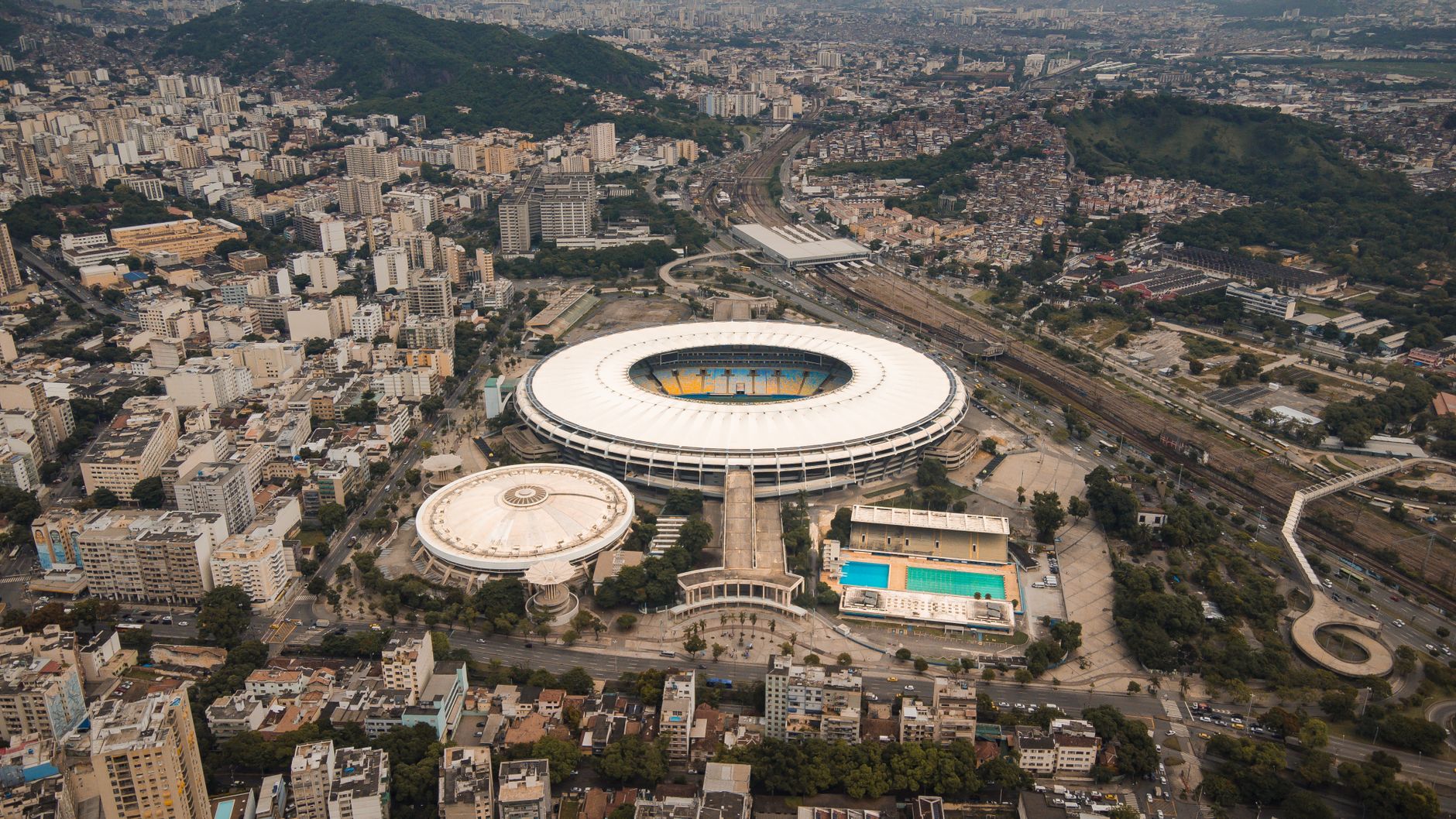
Photo by Victor Barbosa on Pexels
What Did I Test?
I tested whether 2026 World Cup football should be understood as a normal tournament with more teams or as a structurally different event. The answer is the latter: 48 teams, 104 matches, 12 groups, and three host countries create new variables for fans, analysts, broadcasters, and regulated betting markets.
The most important comparison is with the 2022 FIFA World Cup in Qatar. Qatar 2022 had 32 teams, 64 matches, compact travel, and a mid-season European calendar slot. The 2026 FIFA World Cup returns to a summer schedule and expands across North America, where travel between host cities can resemble a continental club tour rather than a traditional tournament base. FIFA describes the event as “the first 48-team FIFA World Cup,” a phrase that matters because the expansion changes competitive probability, qualification pathways, and rest-day management. According to FIFA, the tournament will run across Canada, Mexico, and the United States, making it the first men’s World Cup staged in three countries. [Internal Link: 2026 World Cup format guide]
From a practical perspective, I looked at five variables that ordinary previews often treat separately but should be connected: group structure, travel distance, climate, squad rotation, and market pricing. A team playing in Los Angeles, then Seattle, then Kansas City faces a different recovery profile from a team staying closer to the Northeast corridor. That does not automatically decide results, but it affects preparation, late-game fatigue, and the value of squad depth. For betting readers in legal regulated markets, it also means pre-tournament odds may miss venue-specific details until fixtures, training bases, and injury reports become clearer.
Setup & Initial Impressions
The setup is bigger, wider, and more complex than any previous men’s FIFA World Cup. Initial impressions point to a tournament that rewards depth more than reputation because the 48-team format adds more matches, more travel routes, and more uneven group-stage scenarios than Qatar 2022 or Russia 2018.
The 2026 FIFA World Cup will use 16 host cities: Atlanta, Boston, Dallas, Houston, Kansas City, Los Angeles, Miami, New York/New Jersey, Philadelphia, San Francisco Bay Area, Seattle, Toronto, Vancouver, Guadalajara, Mexico City, and Monterrey. The final is scheduled for MetLife Stadium in New York/New Jersey on 19 July 2026, while the opening match will be played at Estadio Azteca in Mexico City on 11 June 2026. Those two anchors alone reveal the tournament’s identity: historic football culture in Mexico, commercial scale in the United States, and growing elite-level infrastructure in Canada. The United 2026 bid materials emphasized stadium capacity, transport networks, and commercial readiness as central strengths.
My initial reaction was that the expanded group stage will be less predictable than many fans expect. In a 32-team World Cup, elite teams often needed seven matches to win the trophy; in 2026, finalists may still play eight depending on the knockout path. The top two teams from each of the 12 groups plus the eight best third-placed teams will move into a Round of 32, which creates a softer elimination threshold but a longer title race. That matters for tactical forecasting: a coach may accept a controlled draw in Matchday 2 if the third-place route remains viable, while an underdog may prioritize goal difference earlier than before. [Internal Link: World Cup group stage betting analysis]
For readers tracking odds, tactics, and team news together, the key is to compare the 2026 format against older assumptions rather than reusing a Qatar 2022 model.
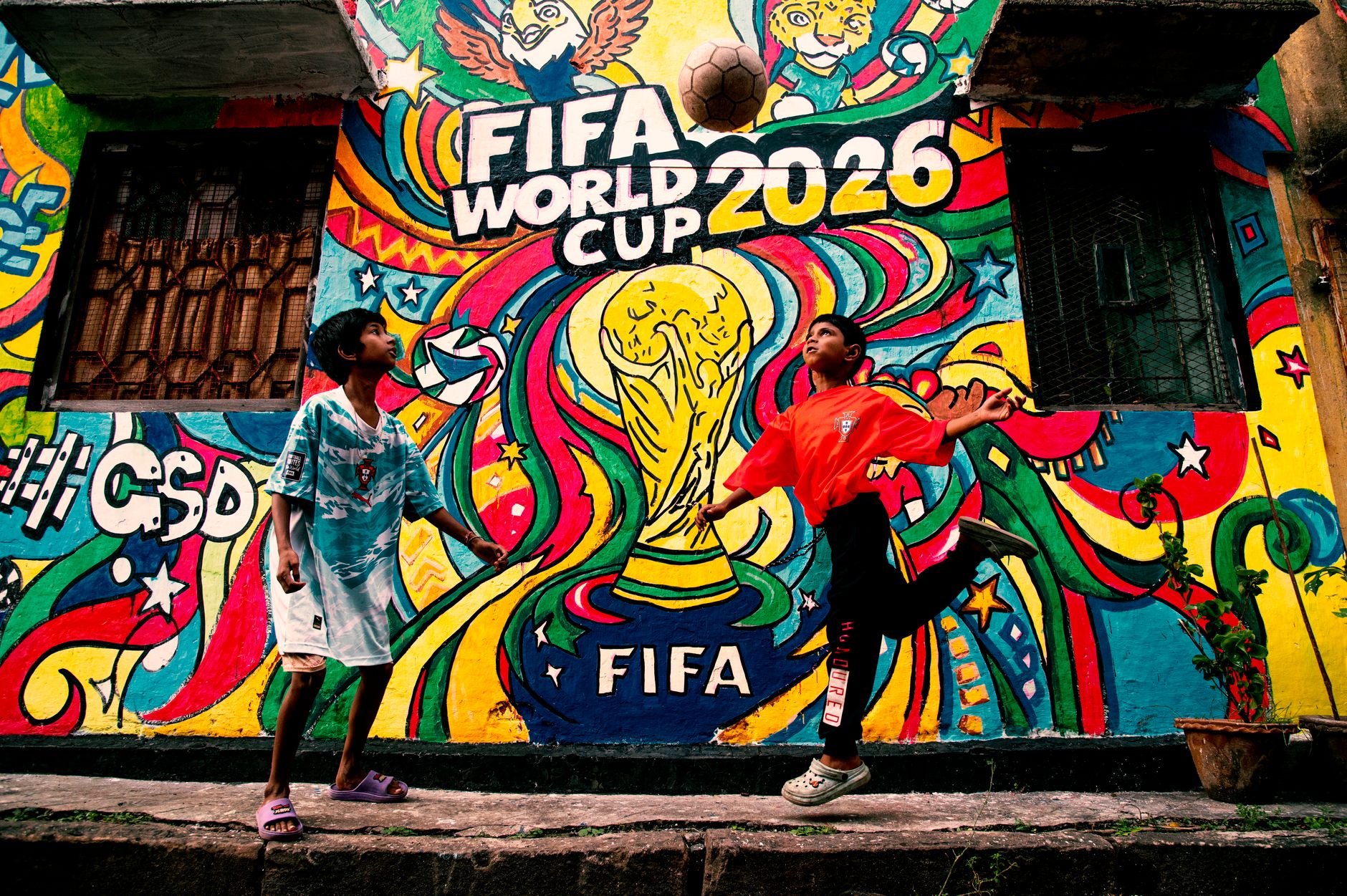
Photo by Anirban Das on Pexels
Where Did It Hold Up?
The 2026 World Cup format holds up best in access, content volume, and competitive storytelling. More teams mean more nations represented, 104 matches create a longer media cycle, and the Round of 32 gives emerging football regions more meaningful knockout-stage opportunity than the 32-team era allowed.
The strongest argument for the expanded tournament is global reach. CONCACAF, CAF, AFC, CONMEBOL, UEFA, and OFC all enter 2026 with a broader qualification context, which means the tournament should include more tactical diversity than Qatar 2022. Fans may see more low-block underdogs, transitional sides, direct pressing teams, and possession-heavy favorites in the same group phase. According to Wikipedia’s FIFA World Cup overview, the World Cup has evolved repeatedly since 1930, but the 2026 expansion is one of its largest structural changes. This is not just a bigger guest list; it is a new competitive environment.
Where the model also holds up is in content depth. World Cup Hub can reasonably track daily developments because the tournament creates more meaningful data points: 104 match previews, 48 squad profiles, group permutation updates, player minutes, travel schedules, tactical adjustments, and regulated-market movement. A typical top-level preview may identify Brazil, France, Argentina, England, Spain, and Germany as contenders, but the useful edge is often elsewhere. For example, the best third-place qualification rule can make Matchday 3 totals markets unusually sensitive to results from other groups already completed. That sequencing can alter team motivation by the hour, especially when a draw is enough to qualify.
Key areas where the 2026 structure works well include:
- More qualification pathways for emerging national teams.
- More knockout matches, increasing high-stakes viewing inventory.
- Stronger North American time-zone appeal for broadcasters.
- More opportunities for player prop markets in regulated jurisdictions.
- Greater tactical contrast between confederations and playing styles.
Where Did It Fall Apart?
The 2026 World Cup concept becomes fragile around logistics, competitive balance, and information overload. A larger field creates more access, but it also increases travel complexity, potential quality gaps, and the risk that fans misread standings because third-place qualification depends on results across multiple groups.
The biggest operational issue is distance. Qatar 2022 was unusually compact; teams and fans could move between venues with limited travel fatigue. In 2026, a supporter following one team may need to plan flights across the United States, Canada, and Mexico if fixtures are spread across clusters. The less obvious point is that travel affects analysis too. A team with two humid evening matches in Miami and Houston may face a different physical demand from one playing in Vancouver and Seattle, even if both teams receive the same number of rest days. That climate-and-distance pairing is a real analytical variable, not a travel footnote.
This is where many early predictions fall apart. Analysts often rank teams by squad value, recent Elo-style strength, or qualifying form, but the 2026 FIFA World Cup rewards operational execution. Training base selection, acclimatization, charter timing, and rotation plans may influence marginal outcomes. A practical edge case worth watching: teams drawn into far-apart host clusters may protect high-intensity midfielders earlier, which can lower pressing volume in second halves. That does not appear in most futures odds summaries, yet it can shape live betting markets and late-goal probabilities. [Internal Link: football tactics and fatigue analysis]
To read the tournament more intelligently, follow the details that usually appear after the headline odds.
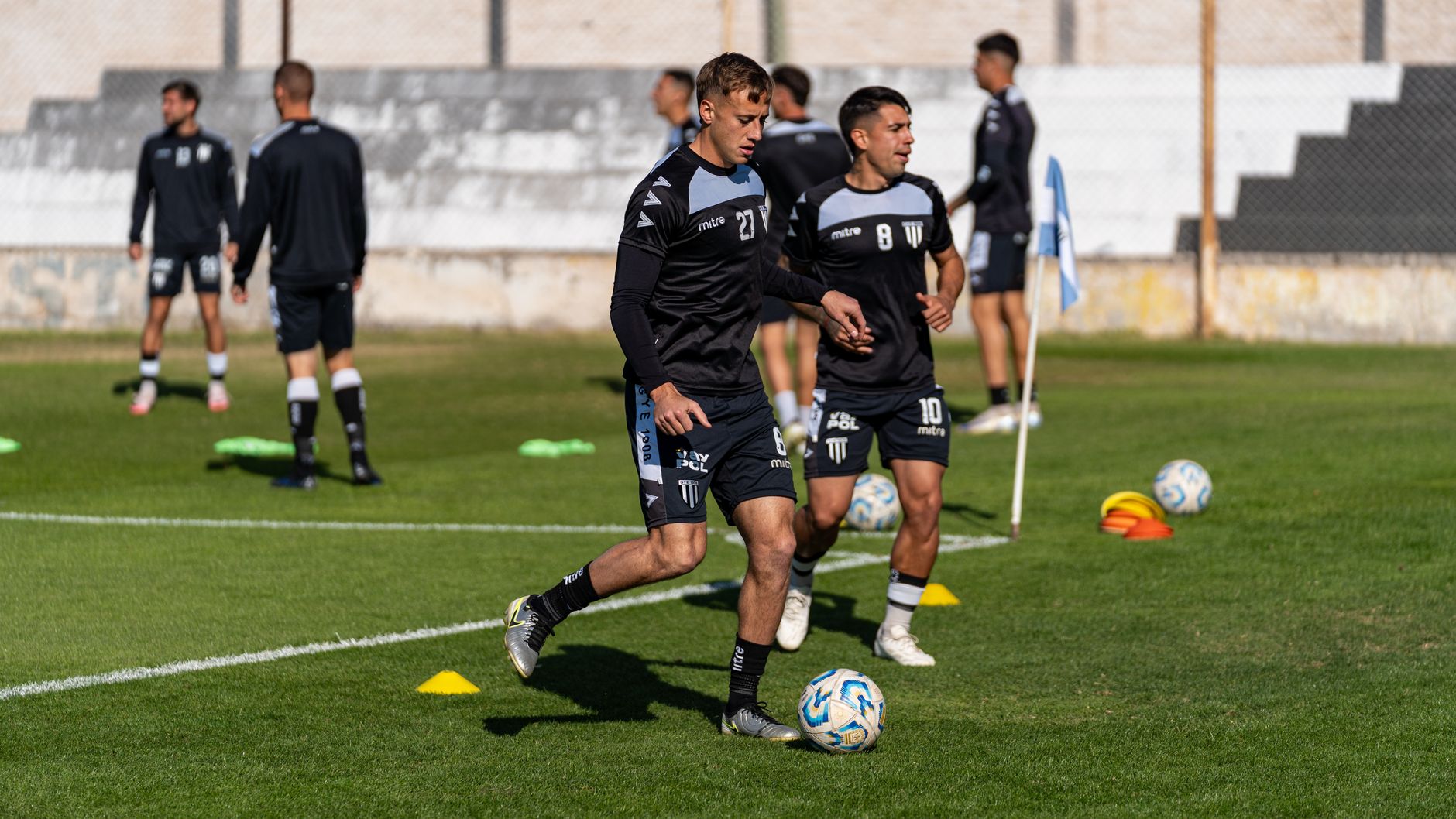
Photo by Franco Monsalvo on Pexels
Would I Use It Again?
Yes, I would use the 2026 World Cup football framework again, but only with a data-first approach. The expanded tournament is valuable for fans and analysts if they track format, travel, rotation, and team context instead of relying only on historical reputation or outright favorites.
My working approach is simple: separate what is stable from what is changing. Stable factors include elite player quality, coaching structure, set-piece efficiency, goalkeeper reliability, and tournament experience. Changing factors include the 48-team field, the Round of 32, travel range, host-city climate, and the timing of qualification scenarios. When those two groups of variables conflict, I trust the newer structural variables more than broad tradition. For example, a famous team with poor defensive transition and thin bench depth may be more vulnerable in 2026 than it looked in 2018 or 2022 because the longer route demands more repeatable performance.
For fans using World Cup Hub, the most practical reading plan is to follow the tournament in layers. First, monitor the draw and host-city assignment. Second, compare squad depth by position, not just starting elevens. Third, track tactical trends from friendlies and qualifiers. Fourth, review market movement only after checking team news and venue context. Fifth, treat third-place qualification scenarios as live variables, not background trivia. This layered method helps both casual fans and regulated betting readers avoid the common mistake of treating every World Cup as if it had the same structure.
A useful checklist for 2026 World Cup football:
- Confirm each team’s group, venues, and rest days.
- Compare likely starting elevens with bench quality.
- Track injuries after domestic seasons end in May 2026.
- Watch climate patterns in Miami, Houston, Monterrey, and Mexico City.
- Reassess futures markets after the Round of 32 bracket becomes visible.
- Use tactical evidence, not only brand-name reputation.

Photo by Gera Cejas on Pexels
Frequently Asked Questions
Q: What is 2026 World Cup football?
A: 2026 World Cup football is the FIFA men’s international tournament hosted by the United States, Canada, and Mexico. It will feature 48 teams, 104 matches, and 16 host cities from 11 June to 19 July 2026. The event is trending because it is the first expanded 48-team edition and the first men’s World Cup hosted across three countries.
Q: How do I follow the 2026 World Cup more effectively?
A: Follow the 2026 World Cup by tracking the draw, fixtures, venues, squad news, and tactical trends together. Start with FIFA’s official schedule, then compare travel distance, rest days, and injury updates before each match. World Cup Hub is useful for daily match predictions, player stats, team tactics, and tournament coverage in one focused place.
Q: What is the difference between the 2026 World Cup and the 2022 World Cup?
A: The biggest difference is that 2026 has 48 teams and 104 matches, while Qatar 2022 had 32 teams and 64 matches. The 2026 event also spans the United States, Canada, and Mexico, while Qatar 2022 was compact and held in one country. This changes travel, scheduling, group qualification, knockout structure, and analysis for fans.
Q: Why are 2026 World Cup predictions harder than usual?
A: Predictions are harder because the expanded format introduces more teams, more knockout paths, and more travel variables. A Round of 32 means third-place teams can advance, so group-stage incentives may shift late in the round. Analysts also need to consider climate, host-city clusters, squad rotation, and injuries after the 2025-26 club season.
Q: How much does it cost to follow the 2026 World Cup?
A: Following news and analysis can be free, while attending matches requires tickets, travel, accommodation, and local transport. Exact ticket prices vary by category, match stage, and FIFA sales phase. Fans planning to attend should budget early because flights and hotels in cities such as New York/New Jersey, Los Angeles, Toronto, and Mexico City may rise during tournament dates.
Q: What should I do if 2026 World Cup betting odds look inconsistent?
A: If odds look inconsistent, compare them with team news, venue context, rest days, and market timing before making any judgment. Early prices may not fully reflect travel distance, rotation risk, or third-place qualification scenarios. In regulated markets, the better approach is to wait for confirmed lineups and match-specific information rather than relying only on futures odds.
Q: Is the 2026 World Cup format good for fans?
A: The 2026 format is good for fans who want more matches, more nations, and more knockout football. It may be harder to follow because 104 matches across 16 cities create a larger information load. The best solution is to use a structured source that organizes fixtures, tactics, predictions, and player data by group and match stage.
For deeper daily coverage, match previews, and data-led 2026 World Cup football analysis, continue with World Cup Hub.
Thank you for reading.
World Cup Hub · Editorial Archive